From 1 July 2026, new EU rules will change how light commercial vehicles operate across borders. These changes are aimed at tightening enforcement, improving road safety, and ensuring fair competition between operators. For UK businesses that move goods into or through the EU using vans or other light commercial vehicles, the impact could be significant.
At Barrington Freight, we regularly support customers who rely on vans for time-critical or smaller consignments into Europe. Many choose light commercial vehicles because they are flexible, fast, and often easier than full HGV movements. The new rules mean those assumptions need reviewing.
What Are Light Commercial Vehicles?
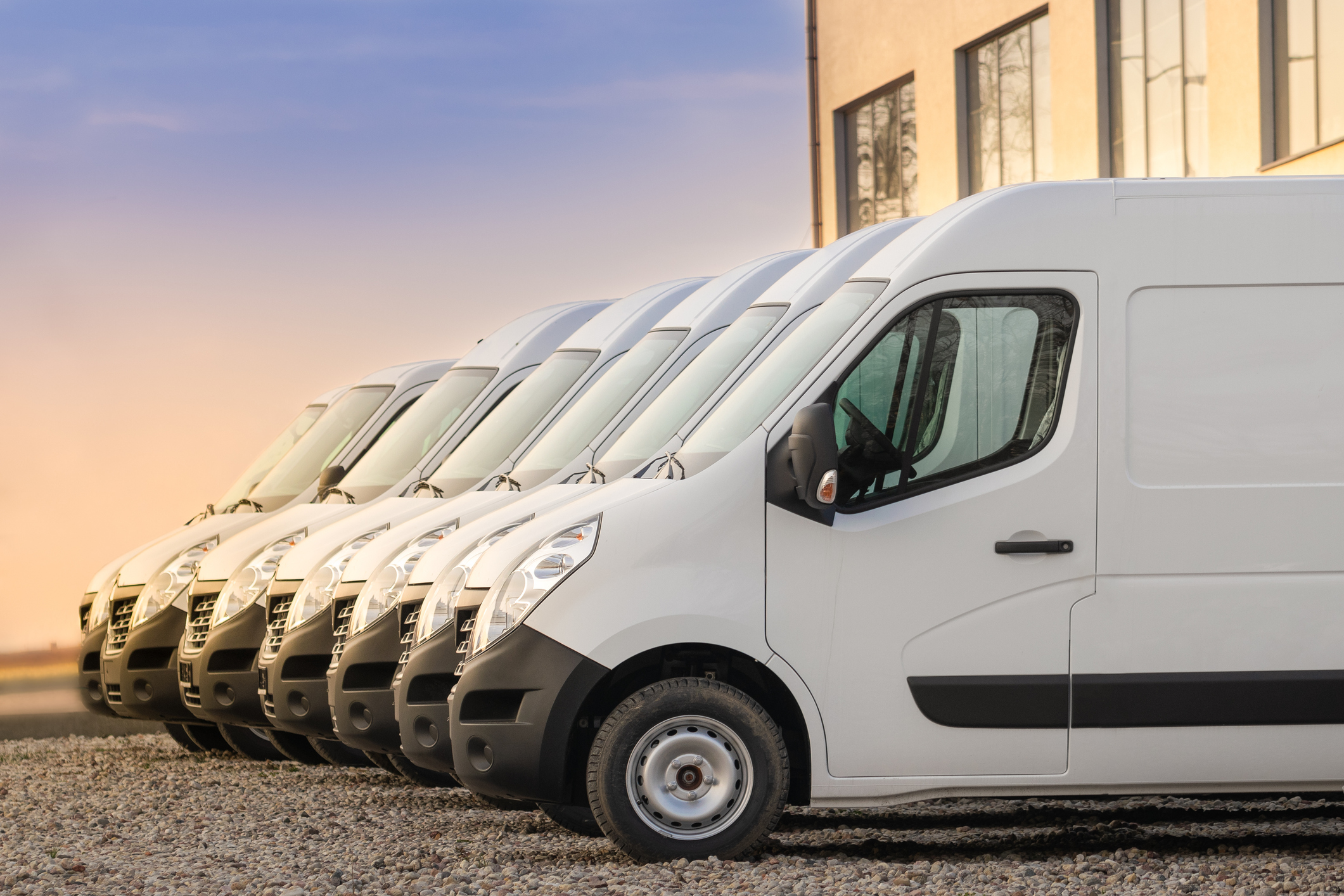
Light commercial vehicles, often referred to as LCVs, are vehicles used to transport goods with a maximum permissible mass of up to 3.5 tonnes.
They usually cover 3 ‘types’ of vehicles:
-
Panel vans: Enclosed vans commonly used for deliveries, trades, and courier work.
-
Small box vans: Vans with a separate cargo box, often used for removals or bulk goods transport.
-
Pick-ups used for commercial transport: Open bed vehicles used to carry tools, materials, or goods as part of a business operation.
What LCV Rules Have Been Changed?
From 1 July 2026, the EU is tightening regulations in the following ways:
-
Operator licensing: Businesses using LCVs in international EU transport must hold a goods vehicle operator’s licence.
-
Mandatory Smart Tachographs (G2V2) : A second-generation smart tachograph must be installed and used to record driving time, breaks, rest periods, and border crossings.
-
Driving and Rest Time Limits: Drivers must comply with EU driving hours and rest rules, similar to those for HGV drivers.
-
Posted Workers’ Rules: Drivers temporarily working in another EU country must be paid at least the local minimum wage and meet posted worker compliance requirements.
-
Driver cards and Compliance Systems: Drivers will need personal tachograph cards, and operators must manage data, record keeping, and regulatory reporting.
-
Training Requirements: Drivers previously operating under standard B licence rules will require training on EU transport regulations and tachograph use.
-
Vehicle Adaptation: Existing vans may need technical modifications to support tachograph installation and compliance monitoring.
What Are the LCV Driver Limits?
Under the new EU rules, drivers of light commercial vehicles used in international transport must follow the same core driving and rest limits that apply to heavy goods vehicles.
Daily Driving Limits
Drivers can drive for a maximum of 9 hours per day. This can be extended to 10 hours, but no more than twice within a single week.
Weekly Driving Limits
Total driving time must not exceed 56 hours in one week. Over any two consecutive weeks, the combined driving time must not be more than 90 hours.
Break Requirements
After no more than 4.5 hours of driving, a minimum break of 45 minutes must be taken. This break can be split into two parts, with one break of at least 15 minutes followed by another of at least 30 minutes.
Daily Rest Periods
Drivers must take a regular daily rest of at least 11 uninterrupted hours. This can be split into two periods, one of at least 3 hours and another of at least 9 hours. In certain situations, a reduced daily rest of at least 9 hours is allowed.
Weekly rest periods
A regular weekly rest must last at least 45 uninterrupted hours. A reduced weekly rest of at least 24 hours is permitted, but the reduced time must be compensated for later.
Why the EU is Introducing New Rules
Until now, many LCV operators have worked under relatively simple rules, often using a standard B licence with limited administrative requirements. After identifying a growing use of vans to avoid stricter HGV restrictions, the EU is introducing regulations to bring LCV vehicles much closer to the rules applied to heavier vehicles. This is to help address issues around unfair competition, driver fatigue, and enforcement.
Who Will Be Affected?
These changes will apply to both EU and non-EU transport companies. UK businesses that operate their own vans into the EU will be directly affected, particularly those carrying goods for hire or reward as part of international transport or cabotage activities. Courier and express freight operators will face some of the biggest changes, as many rely heavily on vans between 2.5 and 3.5 tonnes for cross-border deliveries and time-sensitive shipments.
Construction and engineering firms using vans to move tools, equipment, or materials between the UK and EU sites will also need to comply with the new licensing, tachograph, and driver rules. E-commerce businesses shipping goods into the EU using their own light commercial vehicles will be affected.
What Should You Do to Prepare for These Changes?
Start by reviewing how your vans are currently used and whether any of your operations involve international transport into the EU. Even occasional cross-border work with vehicles between 2.5 and 3.5 tonnes may bring you into the scope of the new rules.
Check whether you will need a goods vehicle operator’s licence and begin planning for the application process early. Licensing can take time, and demand is expected to increase as the 2026 deadline approaches.
Budget for new costs, including smart tachographs, driver cards, compliance software, and ongoing administration. Factoring these expenses in advance will help avoid disruption to cash flow later on.
Assess driver training needs and make sure anyone affected understands driving hours rules, tachograph use, and posted worker requirements. Early training reduces the risk of non-compliance once the rules come into force.
Finally, review your delivery schedules and routes to account for driving and rest time limits. Adjusting planning processes now will make it easier to adapt when the regulations become mandatory.
How Barrington Freight Can Support You
The new EU rules represent a significant change. Businesses that plan early will avoid disruption and unexpected cost. At Barrington Freight, we are dedicated to providing transport logisitics for all areas, whether it be by road, sea, air, or rail. We redesign transport models, reduce compliance risk, and move to reliable alternatives such as groupage or pallets.
Contact us today to begin rethinking your freight forwarding solutions.