Serbia is an important trading partner for many UK businesses, particularly in manufacturing, automotive components, machinery and agricultural goods. However, Serbia is not a member of the European Union, and this affects how goods move between the UK and Serbia.
For UK importers and exporters, Serbia’s non-EU status means customs procedures, documentation requirements and compliance rules differ from shipments to EU countries. Understanding these differences helps businesses avoid delays, unexpected costs and compliance issues.
This guide explains how Serbia’s position outside the EU affects UK trade and what businesses should consider when shipping goods between the two countries.
Table of Contents

Serbia’s Trade Relationship with the UK
Although Serbia is outside the EU, it has a bilateral trade agreement with the UK. The UK-Serbia Trade Partnership Agreement came into force after Brexit and largely mirrors the trade arrangements that previously applied under the EU framework.
This agreement means many goods can be traded tariff-free, but only if they meet the correct rules of origin requirements.
For UK companies, this creates two key points to understand:
-
Customs clearance is still required
-
Preferential tariffs only apply if the origin rules are met and documented correctly
Customs Declarations Are Required
Because Serbia is not in the EU customs union, every shipment between the UK and Serbia requires customs clearance.
Businesses must prepare export and import declarations, whether goods are shipped by road, air or sea.
Typical documentation includes:
-
Commercial invoice
-
Packing list
-
Export declaration
-
Import declaration in Serbia
-
Proof of origin, where applicable
Rules of Origin Matter
Tariff-free trade under the UK-Serbia agreement depends on rules of origin. These rules confirm where goods were manufactured or sufficiently processed.
For example:
-
Goods manufactured in the UK may qualify for preferential tariffs
-
Goods imported into the UK from another country and then re-exported to Serbia may not qualify

Border Checks and Transit Procedures
Unlike trade with EU countries, shipments to Serbia involve international border crossings and sometimes transit procedures through multiple countries.
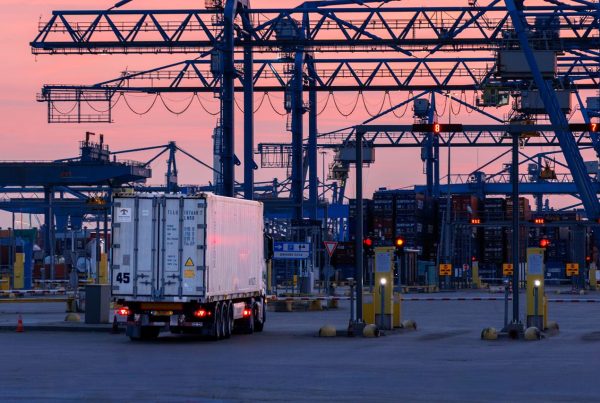
A typical road route from the UK to Serbia may pass through several EU countries before entering Serbia. Because Serbia is outside the EU, vehicles must complete exit procedures from the EU and entry procedures into Serbia.
Transit documents such as T1 declarations are often used to move goods through EU territories without paying import duties until the final destination.
VAT and Import Taxes
Serbia operates its own VAT and import duty system, separate from the EU.
When goods enter Serbia:
-
Import VAT is usually payable
-
Duties may apply if goods do not qualify for preferential treatment
-
Customs clearance must be completed before delivery
At Barrington Freight, we specialise in making your importing and exporting straightforward. From customs clearance to finding the right commodity codes, our expert team is here to assist. Don’t let the complexities of global trade hold you back. Reach out to Barrington Freight for efficient and reliable shipping solutions.
Product Compliance and Documentation
Serbia has its own product regulations. While many standards align with EU rules, compliance cannot be assumed automatically.
Certain goods may require additional documentation, such as certificates of conformity, safety documentation or product testing records.
This is particularly relevant for sectors such as:
-
Electrical equipment
-
Chemicals
Transport Options Between the UK and Serbia
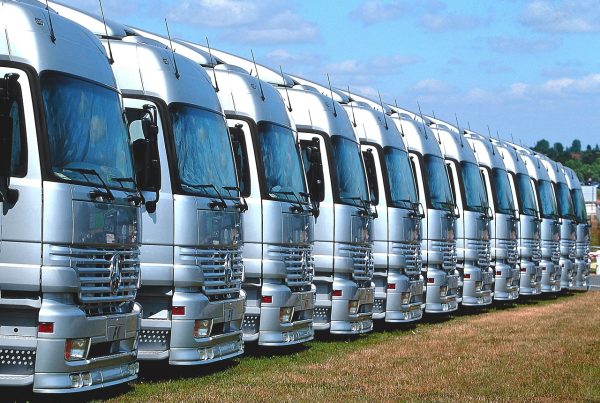
Freight between the UK and Serbia is commonly moved by road freight, particularly for palletised cargo and part loads.
Typical options include:
-
Groupage services for smaller pallet shipments
-
Part loads and full loads for larger consignments
-
Air freight for urgent or high-value shipments
Common Challenges UK Businesses Face
Shipping to Serbia is straightforward when handled correctly, but several issues arise frequently.
Common challenges include:
-
Incorrect or missing origin statements
-
Incomplete commercial invoices
-
Misunderstood Incoterms
-
Commodity codes that do not match the goods
-
Importers unaware of Serbian customs procedures
Planning Shipments to Serbia
Businesses trading with Serbia should take a structured approach to logistics planning.
Key steps include:
-
Confirm commodity codes and origin status
-
Prepare full commercial documentation
-
Agree Incoterms clearly with the buyer
-
Ensure Serbian importers understand their responsibilities
-
Work with a freight forwarder experienced in non-EU shipments
Contact our team today to discuss your UK–Serbia shipping requirements, get advice on customs documentation, or request a freight quote tailored to your business needs.
About the Author
Simon Poole began his career in production planning, quickly rising to manage 24-hour manufacturing lines and oversee a team of 140 staff. In 2007, he joined Barrington Freight, where he brought his operational expertise into the logistics sector. Appointed Operations Director in 2021, Simon now leads all day-to-day operations, including sea, air and European freight, working closely with clients and partners worldwide.




Need help with your freight?
Contact Barrington Freight for a personalised consultation. We offer fast, reliable freight forwarding for businesses across all industries – by road, air or sea.